Recent trade measures adopted by the United States have reignited debate over whether the global trading system is undergoing a fundamental transformation. This commentary argues that current developments should not be seen solely as a temporary disruption driven by a single administration, but rather as part of a broader structural shift in the global economic landscape. The growing use of tariffs, industrial policy, and strategic trade instruments reflects the emergence of a hybrid geoeconomic order in which multilateral rules increasingly coexist with geopolitical competition. For emerging economies, particularly in Southeast Asia and the wider Global South, this evolving environment presents new challenges in navigating trade relations, economic integration, and long-term development strategies.
Policy Brief
Practical Approach to the 2027 RCEP General Review

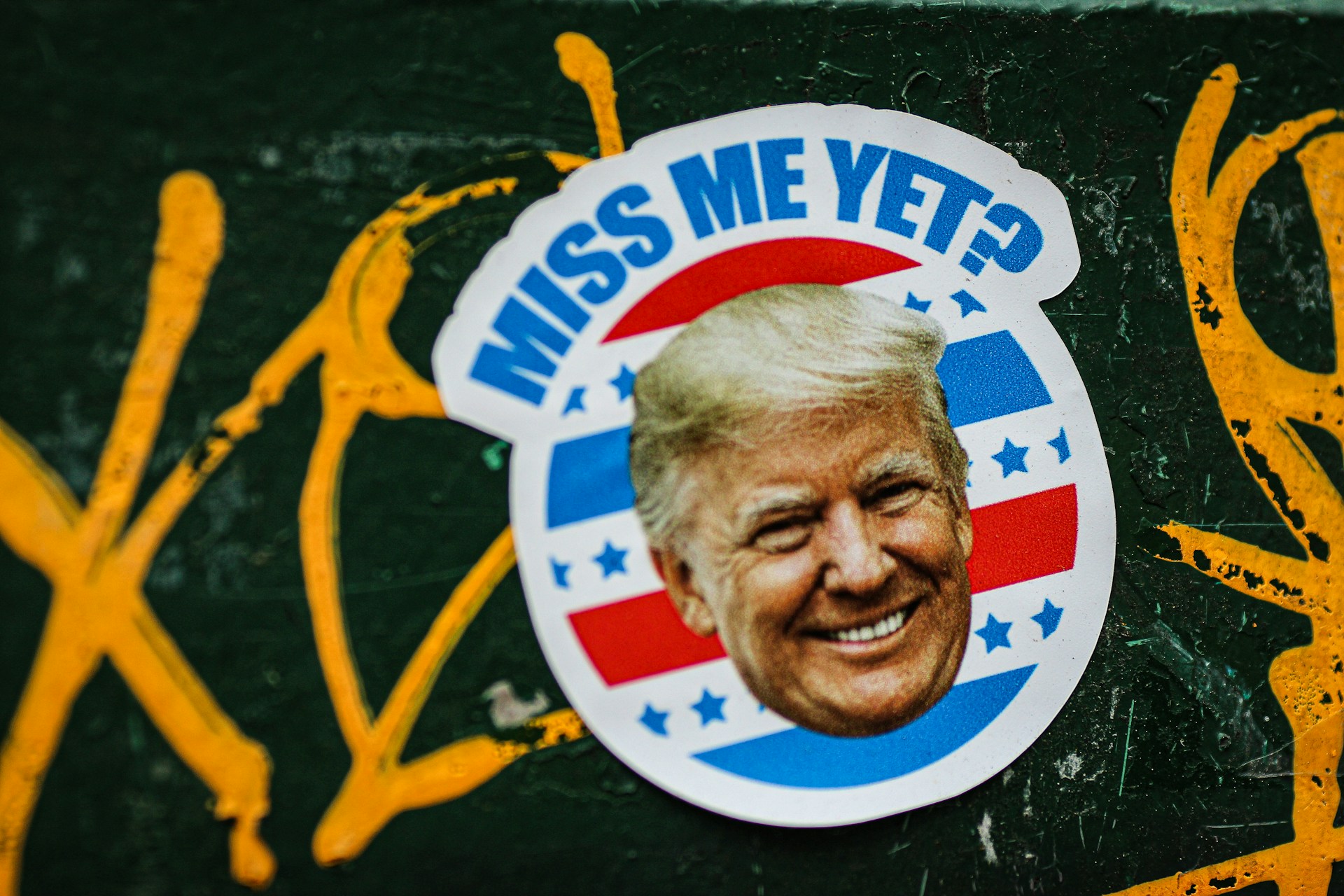
Credit image : Photo by Ambre Estève di Unsplash