For decades, the global trading system was widely understood to operate under a rules-based framework anchored in multilateral institutions and predictable trade norms. Recent developments, however, suggest that this assumption may no longer hold. A series of aggressive tariff actions by the United States—ranging from high, punitive tariffs to global tariffs, and most recently new investigations under Section 301—have intensified concerns that international trade is entering a more geopolitically driven phase. Yet the critical question is whether these developments represent a fundamental transformation of the trading system or simply the acceleration of structural trends that were already underway. For emerging economies and regional groupings such as ASEAN, the answer will determine how they navigate a global economy increasingly shaped by both rules and power.
Commentaries
Trump’s Trade Policy and the Global Trading Order: Temporary Disruption or Structural Shift?
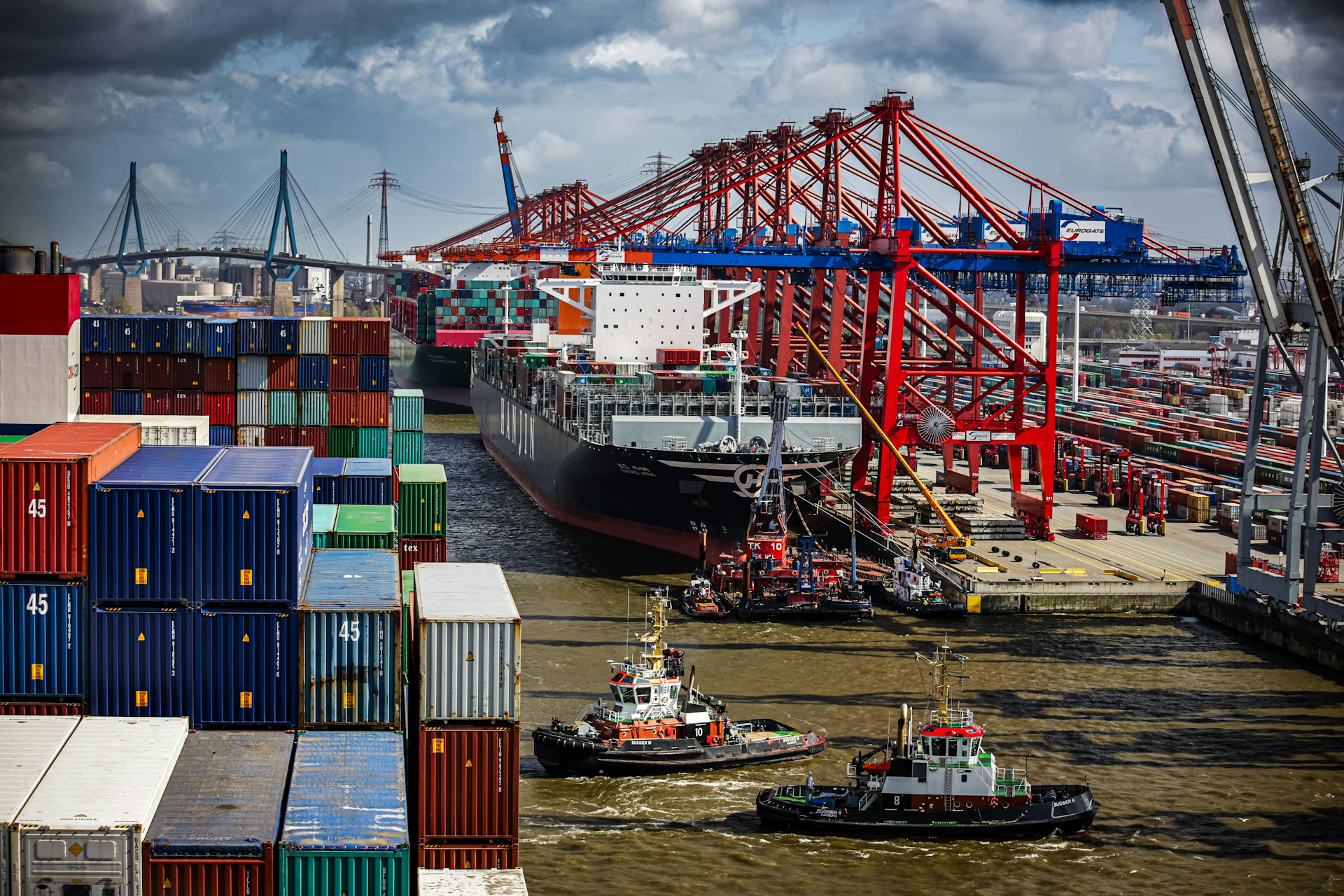
Credit image : Photo by Bernd 📷 Dittrich di Unsplash